Graduation Gnome SVG Class of 2026: A Practical Guide for Creators and Gift-Givers
The approach of the 2026 graduation season brings a renewed focus on personalized commemorative items. Among the various digital assets available for crafters, parents, and educators, the Graduation Gnome SVG Class of 2026 has emerged as a distinct option for those seeking a three-dimensional, layered aesthetic. Unlike standard flat vector graphics, this design utilizes multi-layered construction to create depth, offering a tangible result when cut with laser machines or assembled with die-cutters. For adults evaluating resources for upcoming milestones, understanding the specific utility, material requirements, and comparative advantages of this format is essential before committing to a project.
Defining the Graduation Gnome SVG Format
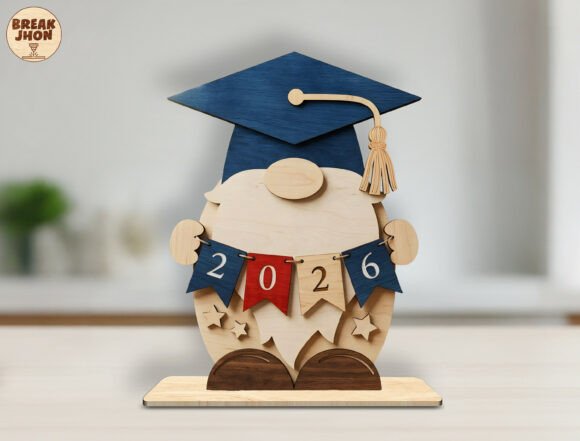
At its core, the Graduation Gnome SVG Class of 2026 is a scalable vector graphic file designed specifically for precision cutting. The "3D Layered" designation indicates that the file contains multiple separate layers intended to be stacked. These layers typically include a base, the gnome's body, facial features, the mortarboard cap, and a festive bunting banner displaying the year "2026." When these components are cut from materials like wood, acrylic, or MDF and glued together, they form a freestanding figure.
This format differs significantly from single-layer silhouette files often used for vinyl application or simple paper crafts. The primary distinction lies in the assembly process and the final visual impact. While a single-layer file produces a flat image, the layered approach creates shadows and dimensionality, mimicking the look of a carved wooden toy or a high-end papercraft model. The inclusion of an interlocking base ensures stability, allowing the finished piece to sit securely on mantles, desks, or shelves without additional support structures.
Evaluating Material Compatibility and Machine Requirements
A critical factor in choosing the Graduation Gnome SVG Class of 2026 is the compatibility with existing hardware and materials. This design is engineered for laser cutting systems, including CO₂ lasers, diode lasers, and hybrid machines like Glowforge or xTool. However, the choice of material dictates the final durability and aesthetic tone of the project.
- Wood and Plywood: Ideal for a rustic, warm appearance. Thin plywood (3mm to 6mm) works well for the delicate tassel and banner details, while thicker stock may be needed for the base to ensure the gnome stands upright.
- Acrylic: Provides a sleek, modern finish. Colored acrylic allows for vibrant school colors without painting, though it requires precise power settings to prevent melting edges during the cutting process.
- MDF: A cost-effective option that takes paint exceptionally well. It is often preferred by crafters who plan to customize the mortarboard and banner to match specific university branding.
It is important to note that while the file is optimized for laser cutting, it is not universally compatible with all crafting tools. Standard Cricut or Silhouette machines using blades are generally limited to thinner materials like cardstock or vinyl. Attempting to cut thick wood or acrylic with a blade-based cutter will likely fail. Therefore, the decision to use this specific SVG depends heavily on whether the user possesses a laser cutter or is willing to outsource the cutting portion of the project.
Comparative Analysis: Layered Gnomes vs. Traditional Flat Designs
When selecting a graduation decoration, consumers often weigh the effort of assembly against the visual reward. Comparing the Graduation Gnome SVG Class of 2026 to traditional flat designs reveals clear tradeoffs.
Visual Impact and Depth
Flat designs, such as those applied via heat transfer vinyl (HTV) onto t-shirts or printed on canvas, offer immediate results but lack physical dimension. They serve well for apparel or wall decals where space is limited. In contrast, the layered gnome occupies three-dimensional space, making it a centerpiece rather than background decor. The shadow play created by the stacked layers adds a premium feel that flat graphics cannot replicate.
Customization Potential
One of the strengths of the layered format is the modularity of the design. The banner displaying "2026" can be easily swapped or engraved with different text if the file structure permits editing. This flexibility allows for personalization beyond just the year; users can alter the cap color to match school mascots or add names to the base. Flat designs often require starting over if a mistake is made or if customization needs change, whereas the modular nature of the gnome allows for iterative adjustments during the assembly phase.
Time Investment
The most significant drawback of the Graduation Gnome SVG Class of 2026 is the time required for assembly. Cutting the pieces is only half the work; gluing, aligning, and ensuring the interlocking base fits correctly demands patience and steady hands. For someone needing fifty decorations overnight, a flat printable or vinyl decal is a far more efficient choice. However, for a singular, high-quality keepsake or a small batch of gifts, the extra labor yields a product that feels more artisanal and valuable.
Best-Fit Scenarios and Limitations
Determining when the Graduation Gnome SVG Class of 2026 is the right choice involves analyzing the context of the gift or event. This design excels in situations where longevity and display value are priorities.
Ideal Use Cases
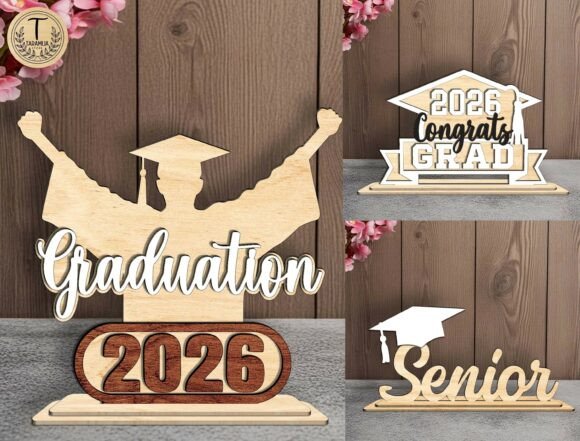
- Personalized Keepsakes: For a high school or college graduate, a hand-assembled wooden gnome serves as a lasting memento that can be displayed for years, unlike a party favor that might be discarded.
- Open Houses and Displays: Schools or families hosting open houses can use these figures as table centerpieces. Their freestanding nature makes them versatile for various surfaces.
- Small-Batch Crafting: Hobbyists with access to a laser cutter can produce a limited run of these gnomes for sale or as unique gifts, leveraging the "handmade" aspect to add value.
When to Consider Alternatives
Conversely, there are scenarios where this format may not be the optimal solution. If the goal is mass production for a large class of hundreds of students, the manual assembly time becomes a bottleneck. In such cases, pre-made figurines or bulk-printed items are more practical. Additionally, if the recipient prefers minimalist decor, the whimsical nature of a gnome might clash with their interior style. In these instances, a more abstract or typographic design focusing solely on the year and name might be a better fit.
Another limitation is the skill floor. Successful assembly requires basic knowledge of adhesive types suitable for the chosen material. Using the wrong glue on acrylic, for instance, can cause cracking or clouding. Users must be prepared to test materials and techniques before committing to the final project.
Strategic Customization for Maximum Impact
To fully leverage the Graduation Gnome SVG Class of 2026, strategic customization is key. The design's versatility allows for alignment with specific institutional identities. For example, matching the mortarboard and banner to the exact Pantone codes of a university's branding elevates the item from a generic craft to a tailored tribute.
Furthermore, the ability to engrave the year or swap the banner layer means the same base design can be adapted for different graduating classes in future years, provided the physical components are stored. This reusability of the digital file offers long-term value to crafters who anticipate creating similar projects annually. By focusing on the quality of the cut and the precision of the assembly, the final product reflects a level of care that resonates deeply with graduates and their families.
Conclusion on Selection Criteria
The Graduation Gnome SVG Class of 2026 represents a middle ground between digital convenience and physical craftsmanship. It is not merely a file to be downloaded and printed; it is a blueprint for a tactile object that celebrates achievement through depth and detail. For creators who have the necessary equipment and the patience for assembly, it offers a superior alternative to flat, two-dimensional options. However, for those constrained by time, budget, or tool availability, simpler formats may serve the occasion more effectively. Ultimately, the decision rests on balancing the desire for a unique, high-impact keepsake against the resources required to bring it to life.