Koi Fish 3D Layered Paper Cut: A Practical Guide for Creators and Professionals
In the realm of modern crafting and digital design, the intersection of traditional artistry and machine precision has opened new avenues for creative expression. The Koi Fish 3D Layered Paper Cut stands out as a versatile asset that bridges this gap. For professionals, hobbyists, and small business owners alike, this design is not merely a decorative element but a functional component in a broader production workflow. Whether you are producing high-end greeting cards, designing custom home décor, or creating personalized gifts, understanding how to integrate this specific layered design into your process can significantly enhance both efficiency and output quality.
Understanding the Design Structure and Workflow Integration
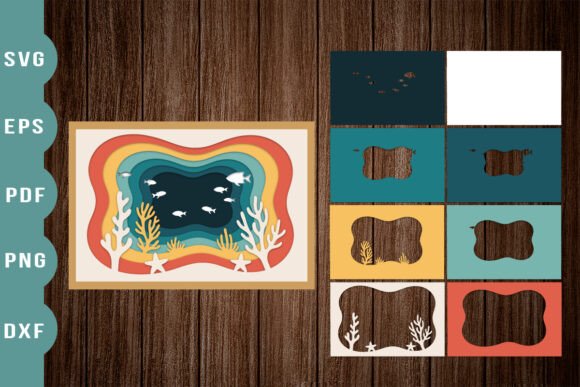
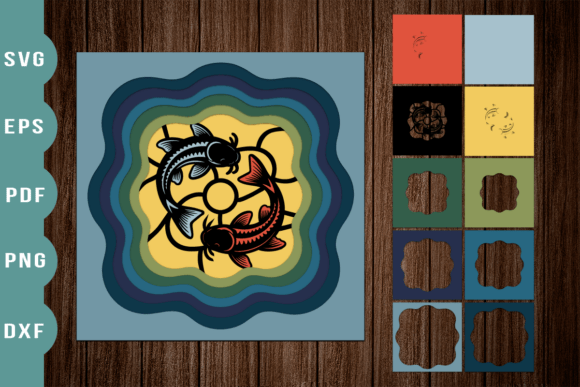
The Koi Fish 3D Layered Paper Cut is defined by its multi-tiered composition, which creates depth through the strategic stacking of paper layers. Unlike flat vector illustrations, this design relies on the physical separation of elements to achieve a three-dimensional effect when assembled. In a professional workflow, this characteristic dictates a specific approach to project planning. Before initiating any cut, it is essential to assess the materials and tools required to maintain the integrity of the layers.
This design fits seamlessly into projects where visual impact and tactile quality are paramount. It serves as a core asset during the execution phase of shadow box creation, wall art assembly, or intricate card making. The process begins with the selection of the appropriate file format from the provided download package. The inclusion of SVG, EPS, DXF, PDF, AI, and PNG files ensures compatibility across various stages of production, from initial prototyping to final manufacturing. By selecting the correct format early in the planning stage, creators can avoid unnecessary conversions that might compromise the precision of the cut lines or the resolution of the print.
Preparing Your Workspace and Tools
Successful implementation of the Koi Fish 3D Layered Paper Cut depends heavily on preparation. For those utilizing cutting machines like Cricut or Silhouette, the workflow starts with importing the SVG or DXF file into the respective software. It is crucial to verify that the layers are correctly separated and ordered within the software interface. This step prevents errors during the cutting process, ensuring that each layer of the koi fish aligns perfectly during assembly.
Material selection is another critical factor in the preparation phase. While standard cardstock works well for smaller projects, larger shadow boxes may require heavier weight paper or even thin wood veneers for added durability. The design's compatibility with laser cutting machines expands the range of usable materials, allowing for experimentation with acrylic, leather, or specialty papers. When planning a batch production run, such as for a holiday card collection or a series of wall decorations, organizing materials by color and texture beforehand streamlines the cutting and assembly process. This organizational discipline reduces downtime and maintains consistency across multiple units.
Execution Strategies for Cutting and Assembly
Once the setup is complete, the execution phase involves precise cutting and meticulous assembly. The Black Red Koi Fish Paper Cut Design features bold contrasts that benefit from high-contrast material choices. When using a blade cutter, ensure the blade depth is calibrated to cut through the specific paper weight without damaging the mat underneath. For laser cutters, adjust the power and speed settings to prevent charring on the edges, which can detract from the clean aesthetic of the koi fish silhouette.
Assembly is where the 3D effect truly comes to life. The layers must be stacked with uniform spacing to create the illusion of depth. Using foam tape or double-sided adhesive spacers between layers allows for adjustable height, giving the creator control over the final dimensionality. For projects involving LED lighting, such as glowing shadow boxes, the placement of the light source relative to the layers is vital. Positioning the LEDs behind the backmost layer allows light to filter through the semi-transparent gaps between the black and red sections, highlighting the intricate details of the fish scales and fins.
Enhancing Projects with Lighting and Finishing Touches
One of the most effective ways to elevate the Koi Fish 3D Layered Paper Cut is through the integration of LED lighting. This addition transforms a static piece of paper art into a dynamic focal point for interior spaces. When incorporating lights, consider the color temperature; warm white LEDs often complement the red tones of the koi fish, while cool white can accentuate the starkness of the black layers. The workflow here involves testing different lighting configurations before finalizing the frame or housing.
For greeting cards and personalized gifts, the finishing touches determine the perceived value. Embellishments such as metallic foiling on specific layers or adding texture with embossing powders can add sophistication. The high-resolution PNG file included in the download package is particularly useful for these enhancements, allowing designers to print detailed backgrounds or overlays that complement the cut layers. By combining digital printing with physical cutting, creators can produce hybrid pieces that offer both graphic detail and structural depth.
Optimizing for Business and Professional Use
For entrepreneurs and small business owners, the Koi Fish 3D Layered Paper Cut offers a scalable solution for product development. The availability of fully editable AI and EPS files means the design can be customized to fit brand guidelines or specific client requests. This flexibility is essential for maintaining a competitive edge in the market for personalized gifts and custom décor. Businesses can use the design as a template for limited edition releases, seasonal collections, or bespoke commissions.
Efficiency in production is key to profitability. By mastering the workflow associated with this design, creators can reduce waste and turnaround time. Batch processing similar projects allows for optimized machine settings and streamlined assembly lines. Furthermore, the ability to share the PDF version facilitates collaboration with team members or clients who need to review the design before production begins. This collaborative aspect ensures that expectations are met and reduces the likelihood of costly rework.
Long-Term Value and Creative Expansion
Beyond immediate projects, the Koi Fish 3D Layered Paper Cut serves as a foundational asset for ongoing creative exploration. As skills develop, creators can experiment with combining this design with other elements, such as floral motifs or geometric patterns, to create complex compositions. The layered technique learned through this project can be applied to other subjects, expanding the creator's portfolio and capabilities.
Quality control remains a priority for long-term success. Regularly inspecting finished pieces for alignment issues, adhesive residue, or uneven cuts ensures that the final product meets professional standards. Keeping a log of material types, machine settings, and assembly techniques used for successful projects creates a valuable reference library for future endeavors. This documentation supports consistency and helps troubleshoot issues quickly when they arise.
Conclusion: Integrating Precision and Creativity
The Koi Fish 3D Layered Paper Cut represents more than just a single design; it is a tool for enhancing creative workflows across various disciplines. From the initial planning stages to the final assembly and presentation, every step offers opportunities for optimization and innovation. By leveraging the diverse file formats and compatible technologies, creators can produce high-quality, visually stunning pieces that resonate with audiences and stand out in the marketplace.
Whether used for personal enjoyment or commercial gain, the principles of preparation, execution, and refinement apply universally. Embracing this design encourages a disciplined approach to crafting, where attention to detail and strategic planning lead to superior outcomes. As the craft industry continues to evolve, assets like this layered koi fish design will remain essential for those committed to delivering excellence in their work.