Underwater Fish 3D Paper Cut: A Practical Evaluation
The Underwater Fish 3D Paper Cut design has emerged as a popular resource for digital crafters seeking to replicate the depth and vibrancy of marine life in physical media. This specific design package offers a layered approach to paper art, featuring motifs such as tropical fish, coral formations, and starfish. By utilizing multiple layers of colored cardstock, creators can achieve a three-dimensional effect that mimics the dynamic environment of an ocean reef. For individuals researching digital assets for home décor or greeting cards, understanding the capabilities and limitations of this format is essential before integrating it into a project.
Understanding the Design Format
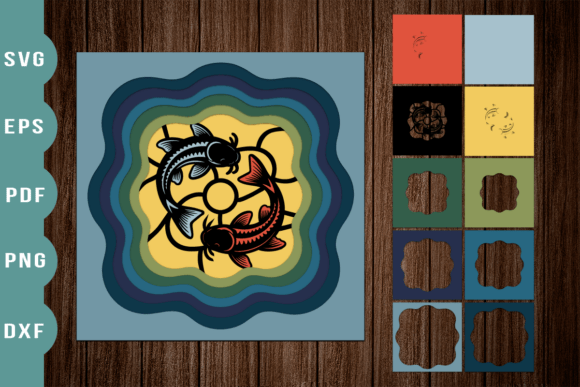
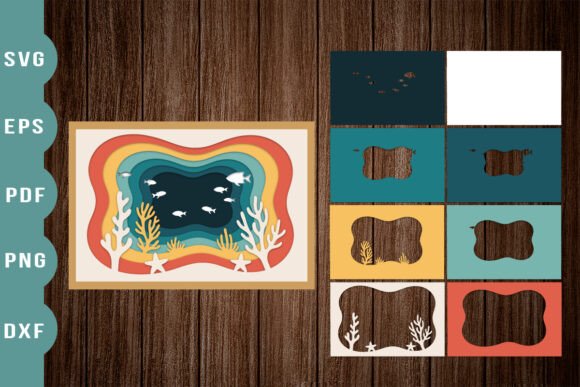
The core concept behind the Underwater Fish 3D Paper Cut is the use of vector-based layering to create shadow boxes and dimensional wall art. Unlike flat illustrations, this design relies on stacking cut pieces at varying distances from a backing board. The result is a visual illusion of depth, where foreground elements like fish appear to swim above mid-ground coral and background water textures. The design files typically include formats such as SVG, DXF, EPS, AI, PDF, and high-resolution PNGs. Each file type serves a distinct purpose: SVG and DXF are optimized for electronic cutting machines like Cricut or Silhouette, while AI and EPS allow for full editing in professional vector software. The inclusion of print-ready PDFs and 300 DPI PNGs ensures versatility for those who prefer manual cutting or traditional printing methods.
Reasons for Interest in Ocean-Themed Paper Art
Crafters often seek out the Underwater Fish 3D Paper Cut for several practical reasons. First, the aesthetic appeal of underwater scenes provides a calming, natural element that complements various interior design styles, particularly coastal or modern minimalist themes. Second, the layered nature of the design allows for significant customization. Users can alter color palettes to match existing room décor or create personalized gifts with specific color combinations. Third, the availability of multiple file formats reduces technical barriers. Whether a user owns a basic laser cutter or a high-end vinyl plotter, there is likely a compatible file included. Finally, the modular nature of the components—separate fish, coral, and starfish layers—allows creators to mix and match elements rather than being restricted to a single static composition.
Benefits and Advantages
The primary benefit of using this specific design is the efficiency it brings to complex projects. Creating a multi-layered shadow box from scratch requires significant time spent on sketching, tracing, and digitizing individual elements. The pre-made Underwater Fish 3D Paper Cut eliminates these preliminary steps, allowing the crafter to focus on assembly and finishing. The vector nature of the files ensures crisp edges regardless of the scale, meaning the design can be resized for a small greeting card or expanded for a large wall installation without losing resolution. Additionally, the separation of layers in the design facilitates easier weeding (removing excess material) during the cutting process, which is often a bottleneck in intricate paper crafts.
Another advantage is the potential for cost-effective gifting. While the materials required—colored cardstock, foam tape, and a backing frame—are relatively inexpensive, the finished product carries a premium look comparable to professionally framed art. This makes the design a strong candidate for creating personalized presents for birthdays, housewarmings, or baby showers, especially when the recipient has an affinity for marine biology or ocean aesthetics.
Tradeoffs and Considerations
Despite its advantages, there are tradeoffs to consider when evaluating the Underwater Fish 3D Paper Cut. The most significant factor is the skill level required for assembly. While the cutting process is automated, the construction of a 3D shadow box demands precision. Aligning multiple layers perfectly, applying adhesive without visible residue, and ensuring the structural integrity of the piece require patience and a steady hand. Beginners may find the assembly phase more challenging than the cutting phase.
Material selection is another critical consideration. Not all paper stocks are suitable for this application. Thin printer paper may warp under the weight of multiple layers, while overly thick cardstock might not fit within standard cutting mats or frames. Achieving the desired vibrant effect also depends heavily on the quality of the paper used; low-quality stock may show bleed-through or lack the opacity needed to hide the backing layers. Furthermore, the complexity of the design means that mistakes during cutting can result in wasted material, particularly if expensive specialty papers are used.
Ideal Situations for Use
The Underwater Fish 3D Paper Cut is a strong fit for specific scenarios. It is ideal for crafters who already own a cutting machine and are looking to expand their portfolio beyond simple decals or t-shirts. It suits individuals interested in home décor who want unique, handmade art pieces that do not rely on mass-produced prints. The design is also well-suited for educators or event planners creating themed displays for classrooms or parties, as the bright colors and recognizable marine shapes are engaging for children and adults alike. Additionally, it serves as an excellent learning tool for those wishing to understand the principles of parallax and depth in physical media.
When Alternatives May Be Preferable
There are situations where alternative approaches might be more appropriate. If a project requires a very tight deadline, the assembly time for a multi-layered shadow box may be prohibitive compared to purchasing a ready-made print or using a simpler single-layer decal. For users without access to a cutting machine, relying solely on the PDF or PNG files for manual cutting could become tedious due to the intricacy of the coral and fish details. In such cases, a simpler silhouette design or a printed photograph might offer a faster turnaround.
Furthermore, if the goal is outdoor display, paper cuts are generally not durable enough unless sealed with specialized UV-resistant varnishes and protected by glass. For outdoor signage or long-term exterior décor, vinyl or acrylic alternatives would be more robust. Finally, if the budget is extremely limited, the cumulative cost of high-quality cardstock in multiple colors, mounting hardware, and framing supplies might exceed the cost of a commercially produced canvas print.
Practical Decision-Making Insights
To determine if the Underwater Fish 3D Paper Cut aligns with your goals, assess your current toolkit and time availability. Ensure you have a cutting machine capable of handling fine details and a supply of varied cardstock weights. Consider starting with a smaller version of the design to test your assembly workflow before committing to a large-scale wall piece. Evaluate whether the time investment in layering and gluing matches the value you place on a custom, handmade finish. If you prioritize speed and simplicity, a flatter design may suffice. However, if you seek a tactile, dimensional artwork that showcases craftsmanship and offers a unique visual experience, this design provides a structured path to achieving that result. By weighing the creative rewards against the technical demands, you can make an informed decision about incorporating this ocean-themed asset into your next project.